What if you could find sun-drenched beaches within minutes of the Gold Coast, but without the crowds? Now imagine you’re surrounded by coastal forest and abundant wildlife, without a skyscraper in sight. Sound hard to believe? Then get ready to be surprised by Fingal Head. It’s pristine nature on the doorstep of the Gold Coast.
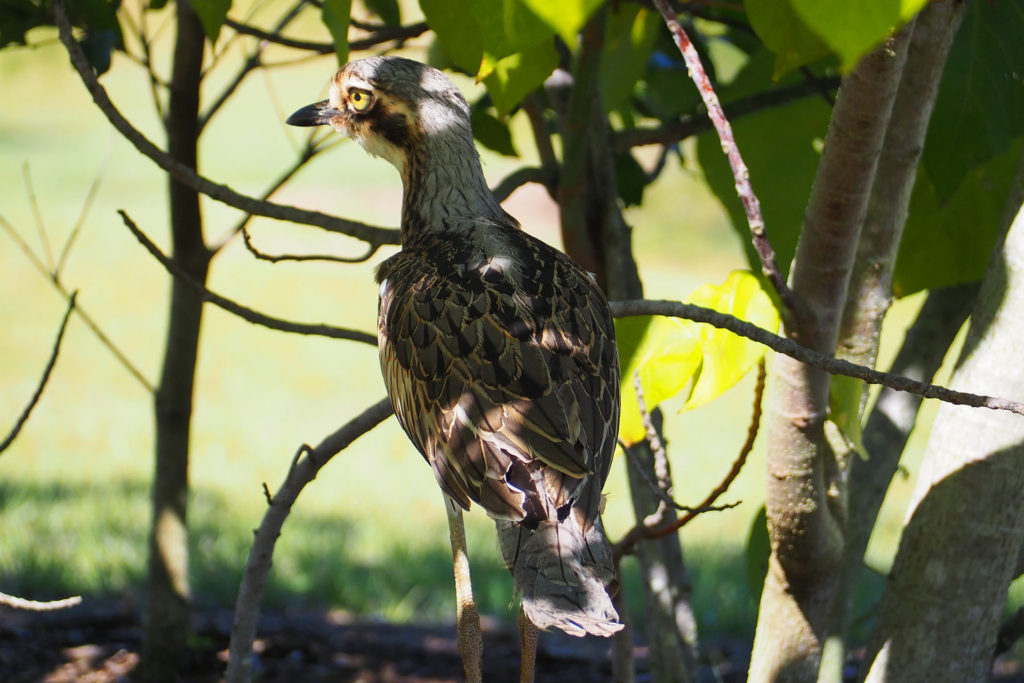
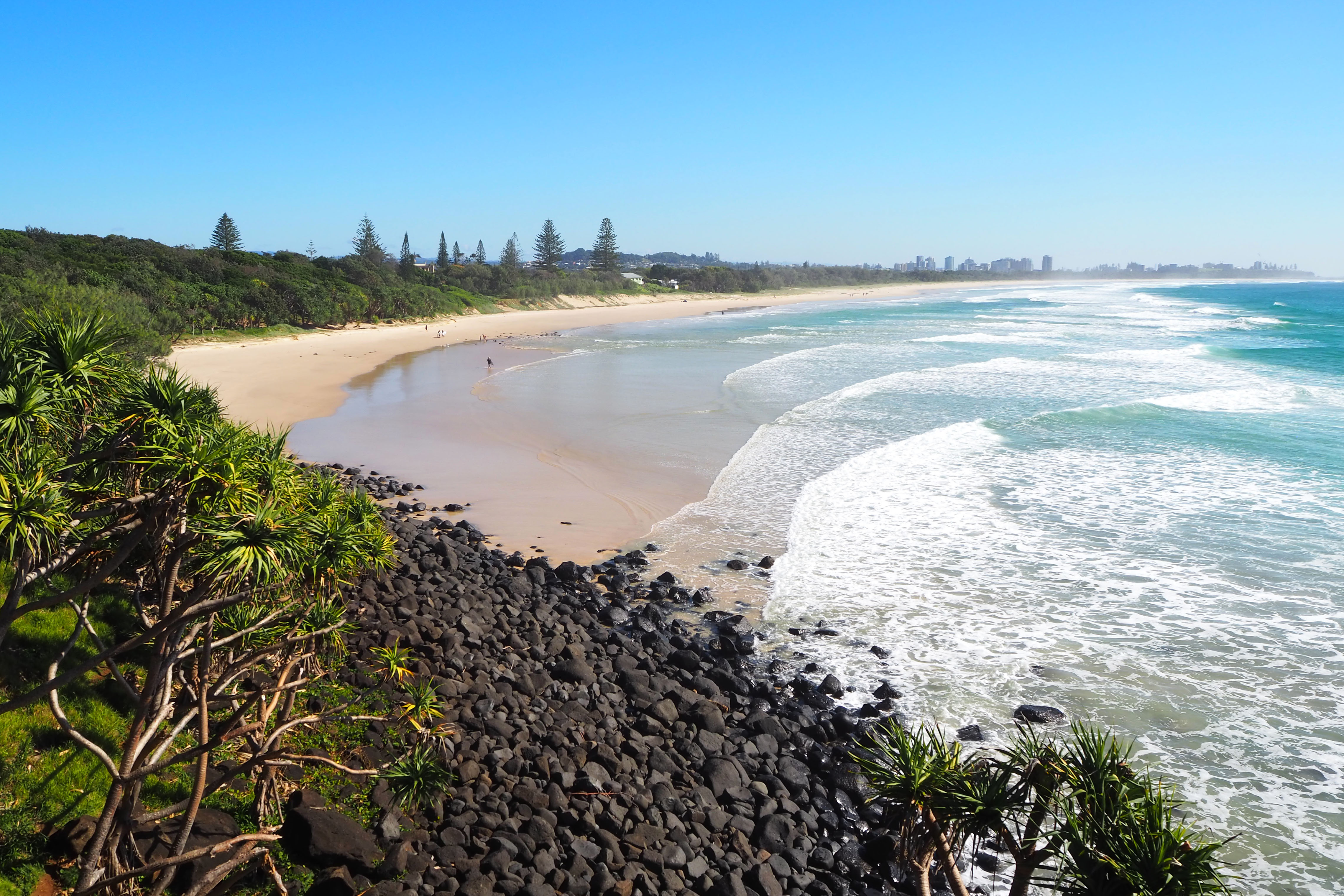
Fingal Head is a sleepy coastal town on the Tweed River, close to the NSW border. It’s only 15 minutes drive from Coolangatta Beach, but the atmosphere couldn’t be more different. The beach is surrounded by coastal forest, dunes and pandanus palms. A headland of volcanic rock stands at the southern end of the beach where thousands of black boulders have spilled across the sand. The water is a blueish green and there is a magic view out to the wild Cook Island. Keep your eye out for dolphins, whales, sea-eagles and the endangered Bush Stone Curlew, (nocturnal birds with legs like sticks and big round eyes).
Things to do…
1. Soak Up the Foamy Turquoise Waters at Fingal Beach
Fingal Beach is a long, curved beach that stretches from the Tweed River down to the headland. The southern end of the beach is bordered by black basalt rocks and the majestic cliff of Fingal Head. Most of the year the beach is unpatrolled but surf lifesavers are present during the school holidays. There is no shortage of quiet spots to drink in the sun or sit under the shade of a pandanus palm. The wild and beautiful Cook Island is ever-present and large flocks of sea birds are often seen circling it. A resident pod of dolphins is another common sight. If you follow the beach track up to Fingal Head you might spot the distant highrise blocks at Coolangatta, but you’ll think you’re a world away.
2. Discover the Giant’s Causeway
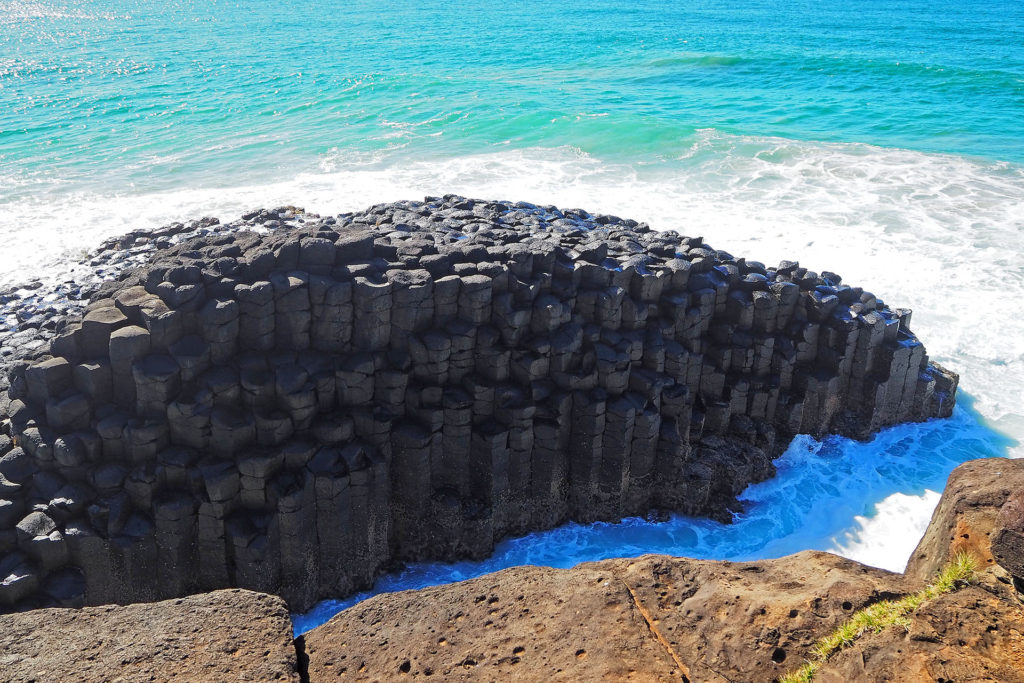
The sea passage between Fingal Head and Cook Island is known as the Giant’s Causeway. The area was named after the famous natural landmark in Northern Island and the myth of the giant, Finn McCool, who created a path of pillars through the sea. A similar (if smaller) natural phenomenon can be seen at Fingal Head where an outcrop of black, interlocking hexagonal pillars is clearly visible. This curious feature extends underwater all the way to Cook Island. It’s a rare sight that scientists say was caused by a rapidly cooling lava flow. Traditionally, the local Goodjinburra people thought the columns resembled the spines of an echidna and believed the spirit of an echidna lived in the headland. They call this place Booninybah, the “place of the echidna”. You’ll find the Giant’s Causeway by following the Fingal Head Lighthouse Walk which starts from Lighthouse Parade. On the way you’ll see the tiny lighthouse, built in 1979, and stunning panoramic views to the North, East and South.
3. Drift into a Dream at One of Australia’s Top Secret Beaches
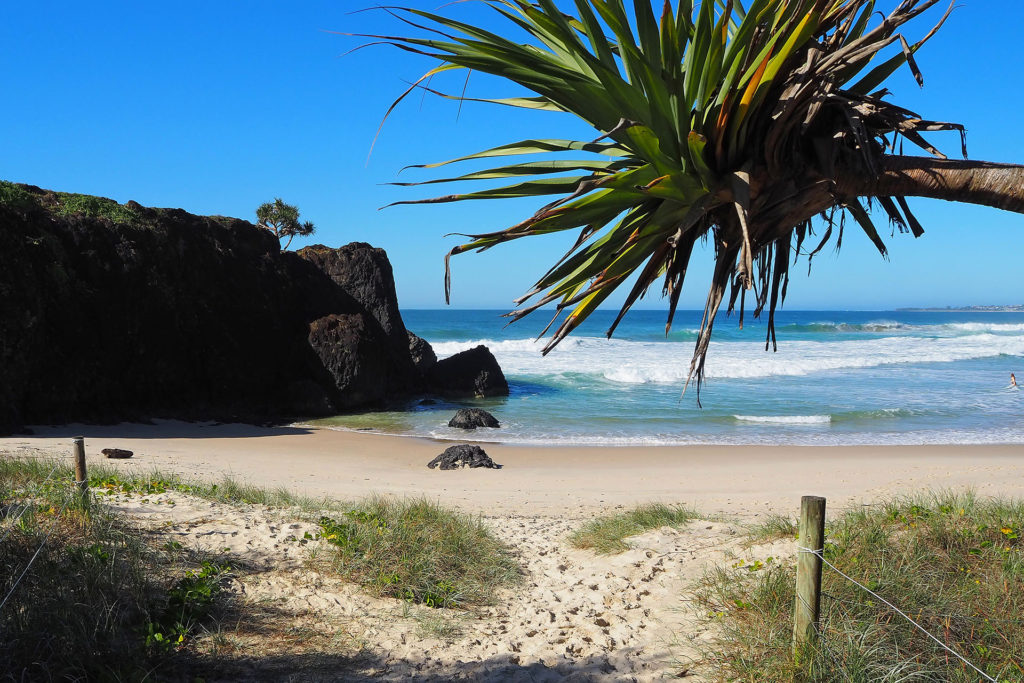
On the south side of Fingal Head is one of Australia’s most popular secluded beaches. The sweetly named Dreamtime Beach is accessible from the track to Fingal Head Lighthouse. It’s a long, unspoilt beach where squeaky sand meets turquoise water and a black volcanic cliff. It’s not a patrolled beach and we were warned by a local that it has a “rip-and-a-half”, so take care in the water, particularly if you have little people with you. Even so, it’s a popular swimming spot with kilometres of sand for you to find your own private slice of paradise. The black basalt cliff has lots of places for kids of all ages to climb and there is a narrow cave they’ll love to discover.
4. Swim With the Turtles off Cook Island
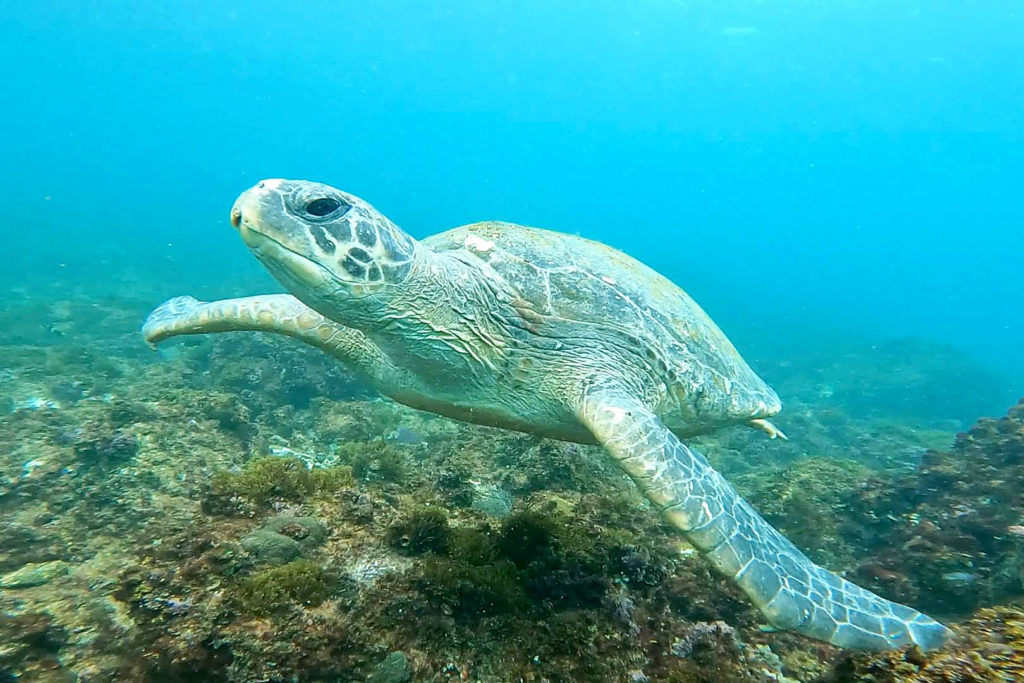
Cook Island is a volcanic outcrop about 600m off the shore of Fingal Head. It was named after Captain Cook who sighted Fingal Head in 1770 on his voyage north. Cook Island is now an aquatic reserve and is famous for its large colony of sea turtles, including green sea turtles, hawksbill turtles and loggerhead turtles. There is also a range of hard and soft corals and a variety of other protected species. This is one of the few places in Australia where you have the chance to snorkel with sea turtles. Snorkelling tour operators like Watersports Guru will get you up close to the action. Tours run all year round and it’s an experience not to be missed. I spotted about a dozen turtles, some of them came within arm’s reach!
5. Find Fingal’s Own Where’s Wally?
The Tweed Coast is home to an impressive array of wildlife. Dolphins and white-bellied sea eagles are a common sight, and migratory humpback whales can be seen during the cooler months. But there is one feathery resident that has made a special name for itself here. If you haven’t heard of a Bush Stone Curlew, it’s a quirky, nocturnal bird with a pointed beak, legs like sticks and big round eyes. They are a threatened species in most parts of Australia due to cats and dogs, but there is a healthy population of them on the Tweed Coast. If you’ve got a sharp eye you might spot them resting under a bush in the park beside the Tweed River. They’re like the Where’s Wally of Fingal Head and my kids had great fun looking out for them. Just make sure you don’t disturb them and if you have a dog, keep it on the lead.