A lot of people heading out to this region will think of staying in Mudgee, but accommodation books out pretty quickly in the peak seasons. Nearby Gulgong is a surprisingly good alternative. It’s an old gold rush town with an impressive number of heritage-listed buildings dating from the late 1800s.
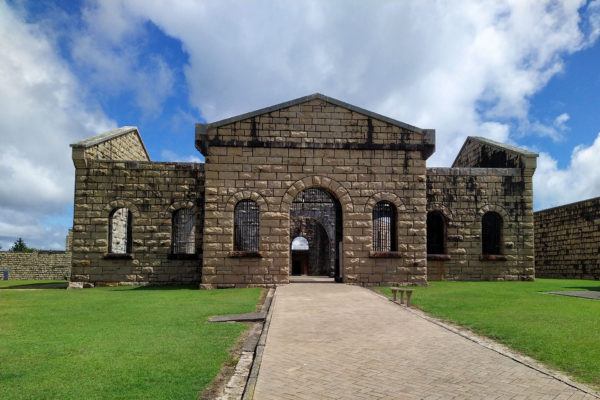
The streetscape has hardly changed since the days of horse and cart. It’s like you’ve stepped onto a set from Back to the Future. Sure, some things have modernised with time. The old colonial bank is now a real estate agent. A 1930s shop has been converted to a veterinary surgery … you get the idea. Still, there’s no shaking the feeling that Gulgong is a town frozen in time.
As charming as Gulgong is, one of the best things about the town is its location. It’s practically next door to Mudgee, as well as the stunning Drip Gorge, while attractions like Hill End, Wellington Caves and even Dubbo Zoo aren’t too far away. If you’re looking for a quaint, memorable town to base yourself in, Gulgong is certainly worth a look.
Five things to do in Gulgong…
1. Explore the Old Town
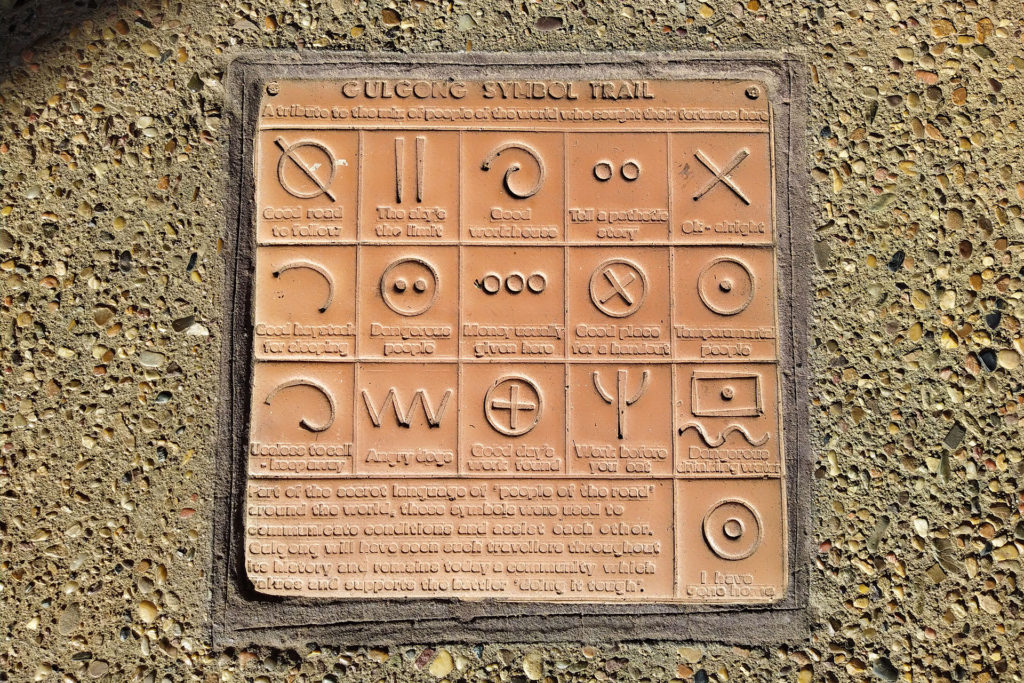
A stroll around the town is a must, with its high stone gutters, narrow streets, and heritage-listed buildings. The tourist information centre can provide you with a map of suggested walks which explains the history of the buildings you’ll pass on the way. On the journey through Gulgong, you’ll pass several museums that are worth poking your head into. Kids will also enjoy decoding a series of old swaggy symbols that are stamped into the footpath at various locations. (You’ll find the symbol for “dangerous drinking water” outside the old pub.) If the kids still have energy to burn, there is a huge adventure playground on the north side of town that is a great way to finish off the day.
2. Step Back in Time at a Local Museum
The gold rush began in Gulgong in 1870 when a man named Tom Saunders struck it rich on Red Hill. The Gulgong Gold Experience now stands on the site, not far from the centre of town. The gold panning experience is a fun activity for kids and they make sure everyone’s a winner. Just be sure to check when it’s open as the site is run by volunteers.
The Gulgong Holtermann Museum in the middle of town is a beautiful museum with an impressive collection of photographs documenting the gold rush era. Entry is just a gold coin donation. In the 1870s, two photographers were commissioned by Holtermann, proud owner of the world’s largest gold nugget, to document the history of Gulgong. These photographs were lost for decades but were later discovered in a storage garage in Sydney and are now on display.
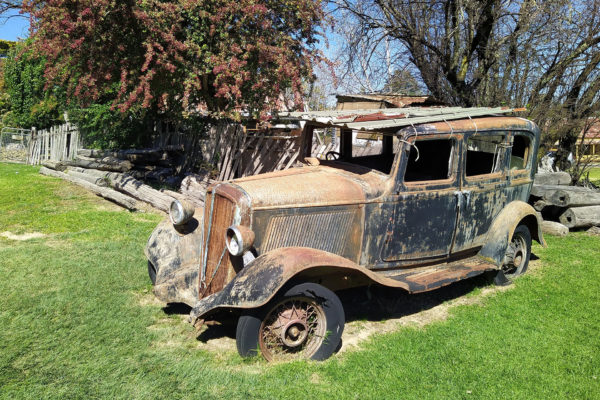
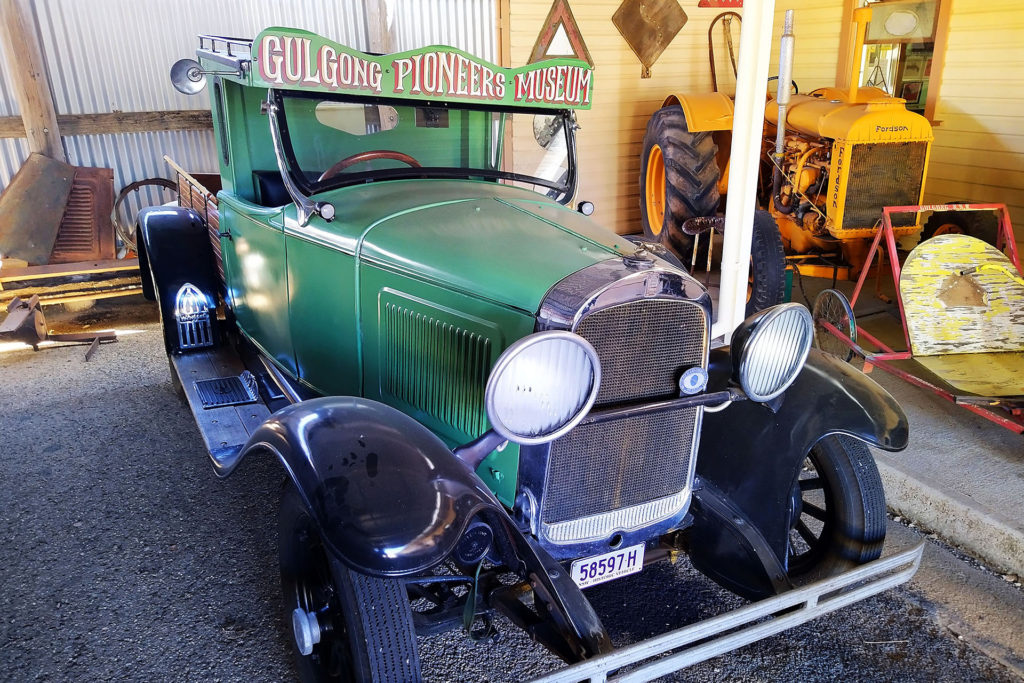
If old fashioned memorabilia is more your thing, then check out the Gulgong Pioneer’s Museum. This museum has a large collection of old machinery, vehicles and relics from a by-gone era. There is enough here to keep the curious type amused for hours. The star attraction is an original Cobb and Co coach, one of only five in existence.
One of Australia’s best-known poets, Henry Lawson, is also celebrated in Gulgong. He wasn’t born there, but he did attend a nearby school and the town has adopted him as their own. And you guessed it, there is a Henry Lawson Museum dedicated to the great man.
3. The Drip Gorge
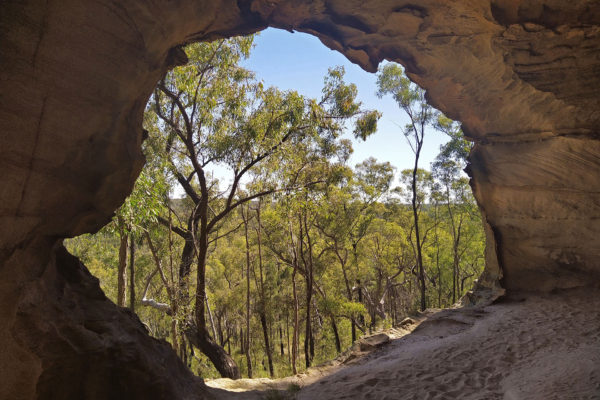
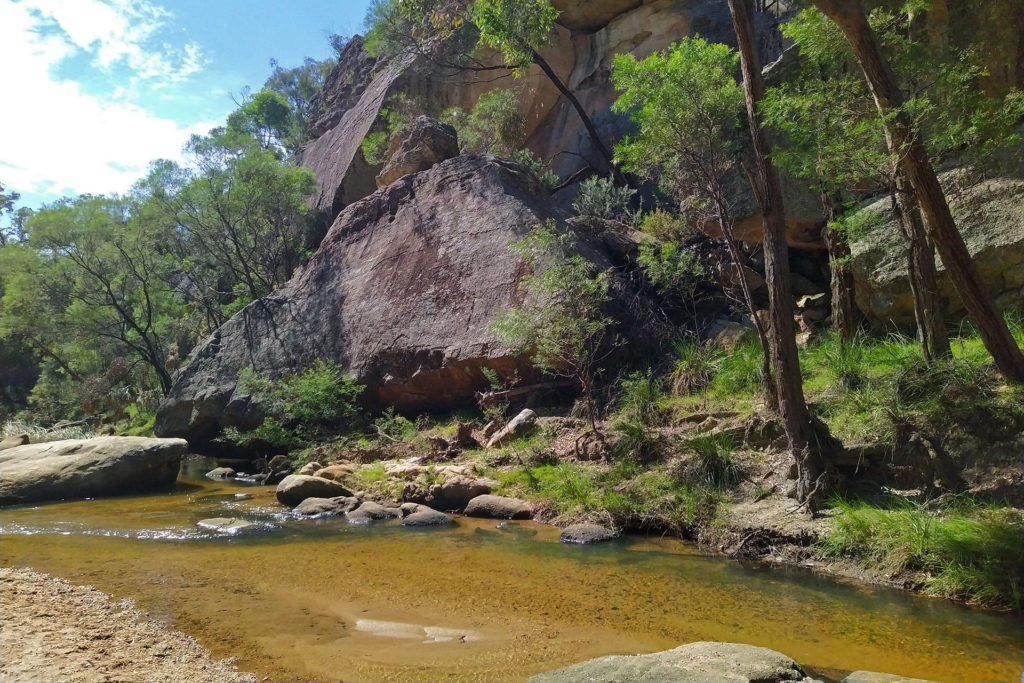
Arguably the region’s best natural attraction, The Drip Gorge, is only a 25-minute drive from Gulgong. This might be the best bushwalk I’ve ever done. It’s an easy 2.8-kilometre return walk, suitable for all ages. It follows the babbling Goulburn River all the way, past rugged and majestic sandstone cliffs, overhangs and caves. The scenery around every turn is stunning and tranquil. When you finally arrive at the Drip Gorge you’ll be rewarded with a cool pool of water beside the Great Dripping Wall to dip your feet. It’s a special place for the Wiradjuri people and a must-see if you are in the area.
4. Ride a Bike Through the Vineyards at Mudgee
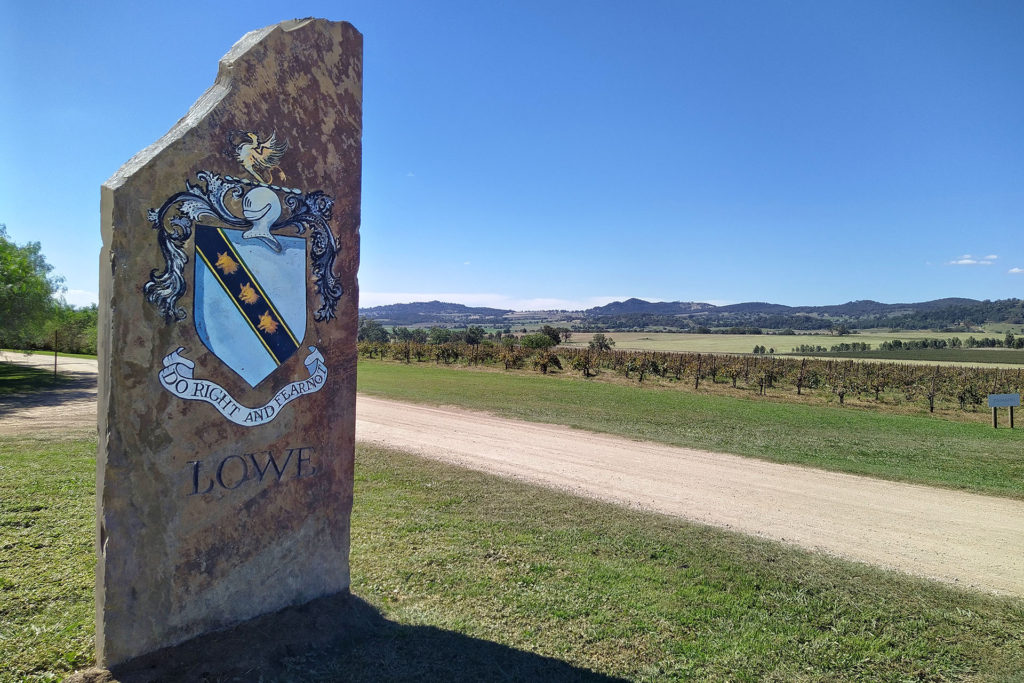
The popular town of Mudgee is only 30-minutes drive from Gulgong and the journey is part of the experience. The road sweeps past wide golden grass plains, orchards, sheep stations and vineyards. It’s all about the food and wine in Mudgee. Winemakers have been taking advantage of the rich soils around Mudgee since the 1850s. Cab Sav, Shiraz, Merlot, Semillion, whatever your taste, you’re sure to find it growing in Mudgee. There are over 60 vineyards to choose from, and cycling is a fun way to get around them. If you’re bringing kids along then Lowes Family Winery on Tinja Lane is my pick. It’s very child-friendly with plenty of outdoor picnic space and even some free activities like skittles under the shade of the pine trees. Bikes are also welcome and there are sweeping country views. Grab a board of cheese and a glass of their organic wine and find a picnic table under the trees where the kids can go nuts.
5. Take a Drive to Wellington Caves
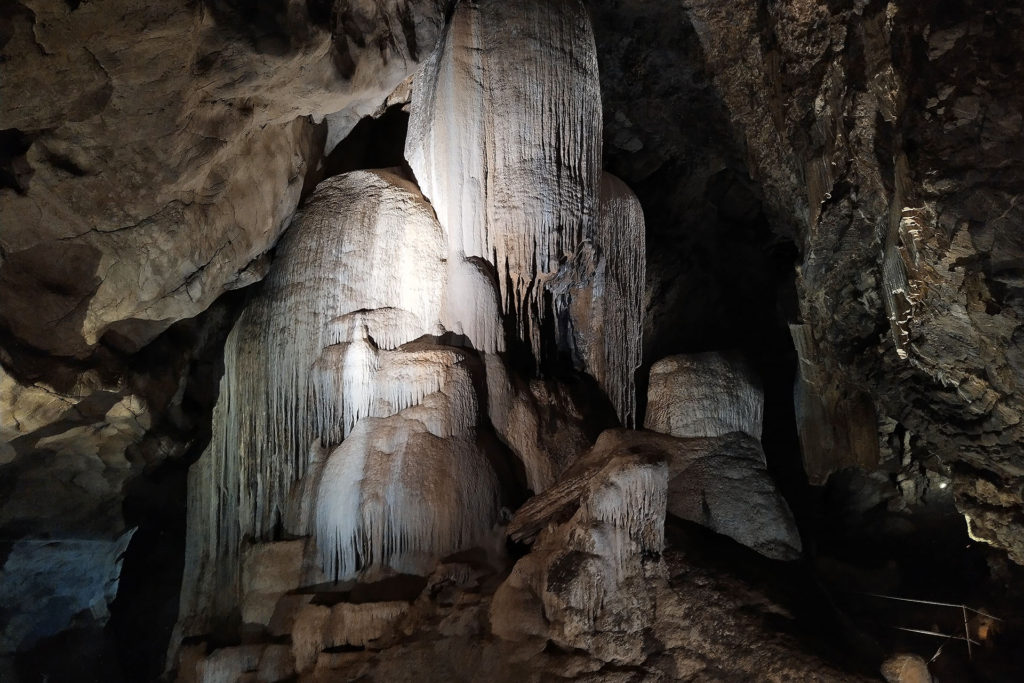
For a different experience, you might like to check out Wellington Caves, about an hour’s drive from Gulgong via Goolma Road. You’ll know you’re getting close when you start seeing gigantic wind turbines and solar farms. I’ll say upfront that these aren’t the largest caves in NSW. But if you haven’t been to Jenolan Caves this experience will fascinate both kids and adults alike. The staircase of the main Cathedral Cave takes you 45m below ground through a series of chambers. The highlight is undoubtedly the glistening crystal stalagmite known as “Altar Rock”. There is an interesting local history of how it got its name. The ancient cave system is also an important archeological site and many fossils of Australian megafauna have been found here. Visitors may spot tiny fossils of sea creatures in the walls of the lower part of the cave.